
Gardening Tips & Tricks for a Thriving Vegetable Garden
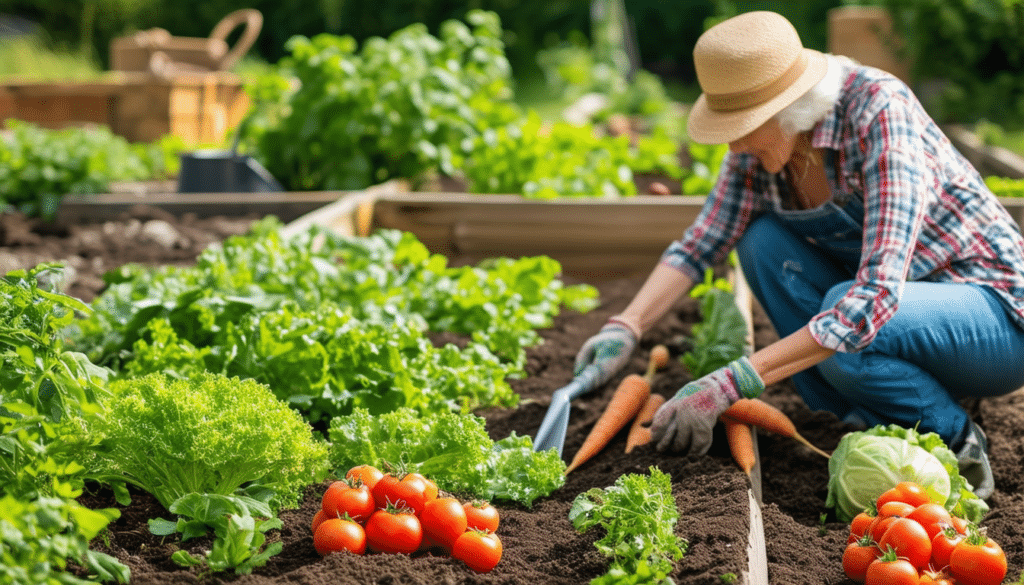
Welcome to the enchanting world of vegetable gardening, where novice green thumbs and seasoned gardeners alike can discover the joys and rewards of growing their own lush, vibrant produce. From the initial soil preparation to the joyful harvest, every step in gardening offers a blend of challenge, pleasure, and invaluable learning experiences that enhance not only our meals but also our lives. Let’s explore the myriad of tips and tricks that ensure your garden not only survives but thrives!
Embarking on the journey of cultivating your own vegetable garden can be both exhilarating and overwhelming. With a focus on practical strategies and proven gardening techniques, this article delves into providing a rich mosaic of tips that ensure your garden not only thrives but becomes a source of pride and joy. We’ll explore everything from location selection, soil preparation, proper watering practices, to protection against pests and utilizing innovative gardening formats like vertical gardening.
Choosing the Right Location
One decisive factor in the success of a vegetable garden is the location. Ensuring your garden is positioned to receive ample sunlight, protection from harsh wind, and has good drainage will greatly impact plant health and yield. Some vegetables, such as spinach and lettuce, can tolerate a bit of shade, which can be beneficial during hotter months.
Soil Preparation: The Foundation of Your Garden
The vitality of your garden begins with the soil. Preparing your soil by weeding carefully, tilling, and enriching it with organic matter such as compost or manure sets a nutrient-rich foundation for your plants. This is critical for encouraging healthy root development and ensuring vigorous growth.
Watering Wisely: Keeping Your Garden Hydrated
Adequate watering is key to a prosperous vegetable garden. Water deeply and infrequently to encourage deep root growth. The time of day and method of watering can also play a significant role in the effectiveness of water usage and the health of your plants. Early morning is generally the best time, as it reduces evaporation and helps prevent plant diseases.
Understanding and Managing Pests Naturally
Pest management can be challenging but turning to natural solutions can protect your health and the environment. Using simple kitchen ingredients or nurturing beneficial insects can be effective strategies for keeping pests at bay. For instance, employing a simple and safe kitchen ingredient can deter squirrels—a common garden menace.
Discover more about practical and safe methods to protect your garden on Protect Your Garden from Squirrels Using a Simple and Safe Kitchen Ingredient.
The Allure of Vertical Gardening
For those with limited space or looking to add an aesthetic charm to their garden, vertical gardening presents a fantastic solution. It maximizes your growing space and can also ease the labor of gardening. Consider the elegance and functionality of a self-watering vertical garden, which simplifies maintenance and ensures consistent moisture for your plants.
Learn more about the benefits and strategies of vertical gardening at Is Vertical Gardening the Solution for Limited Space? and The Effortless Elegance of a Self-Watering Vertical Garden: A Clean and Versatile Green Masterpiece.
Preparing for Seasons: Fall Gardening Tips
As the seasons change, so should your gardening strategies. Fall presents a unique set of challenges but also opportunities for preparing your garden for the next growing season. Key activities include clearing out spent plants, mulching, and planning next year’s crops.
For comprehensive fall gardening strategies, check out Essential Fall Gardening Tips to Prepare and Protect Your Outdoor Space for the Future.
The journey of cultivating a vegetable garden is as rewarding as it is challenging. To ensure a garden that not only survives but thrives, attention to detail and a proactive mindset are essential. One of the most crucial steps in achieving a bountiful harvest is selecting the right location. A space that receives ample sunlight and is shielded from harsh winds will significantly enhance the growth and yield of your vegetables.
In addition to the perfect spot, soil health cannot be overlooked. Nutrient-rich, well-draining soil is the foundation of a flourishing garden. Incorporating organic matter such as compost or well-rotted manure will enrich the soil, encourage beneficial microbial activity, and improve overall soil structure. This practice not only boosts plant health but also enhances water retention and drainage, fostering robust root systems.
Water management is another pillar of successful vegetable gardening. Consistent moisture is vital, but overwatering can lead to root rot and other diseases. Implementing a drip irrigation system or using mulch to retain soil moisture can help maintain the delicate balance required for optimal plant growth. Mulching also suppresses weeds and keeps the soil temperature regulated.
Lastly, understanding the specific needs of your plants and the timing for planting and harvesting can significantly improve your garden’s performance. Some vegetables might require more nutrients, while others are more drought tolerant. Knowledge of these nuances will guide you in scheduling your planting and caring activities to align with the seasonal demands of your crops.
Armed with these tips and a dedication to regular care and observation, your vegetable garden is set to be a source of pride and joy, providing fresh produce right from your backyard.