How to Revive a Lawn Overrun by Weeds


Imagine stepping outside to find your once lush, green oasis has transformed into a jumble of unsightly weeds. It’s a common scenario for many homeowners, but fear not! Reviving a weed-infested lawn doesn’t have to be a daunting task. With the right approach, you can reclaim the beauty of your lawn and ensure it remains vibrant and healthy. Let’s dive into effective strategies to breathe life back into your grassy haven.
If your once lush green lawn has become a patchwork of unwanted weeds, fear not. Restoring your lawn to its former glory might require some effort, but it’s well within the realms of possibility. This guide will walk you through a comprehensive approach to rejuvenate your weedy lawn, covering identification of the weeds, appropriate treatments, natural alternatives, and preventative strategies to maintain a healthy green space.
Identifying the Type of Weeds
Understanding what you are up against is the first crucial step in tackling a weed problem. Weeds can generally be divided into two main categories: grassy and broadleaf. Grassy weeds, like crabgrass and foxtail, mimic the grass in texture and grow similarly. Broadleaf weeds, such as dandelions, plantain, and clover have wider leaves and are easier to distinguish from grass. Each type requires a different approach for effective removal.
Developing a Treatment Plan
The right treatment for your lawn depends heavily on the type of weeds and the extent of their infestation. Common methods include manual removal, chemical control, and organic treatments. Manually pulling weeds is most effective when dealing with a small number or larger, isolated weeds. Chemical treatments, such as selective herbicides, target specific types of weeds while sparing the grass. However, for those preferring an eco-friendly approach, boiling water, vinegar, or salt can provide natural weed suppression.
Applying the Right Weed Control
Selecting the Right Herbicide
When choosing a herbicide, it’s important to select a formula that targets the specific weeds in your lawn without harming the grass. Selective herbicides are designed to eliminate certain types of weeds without affecting other plants. It’s essential to apply these chemicals according to the manufacturer’s guidelines to avoid damaging your grass.
Natural Remedies for Weed Control
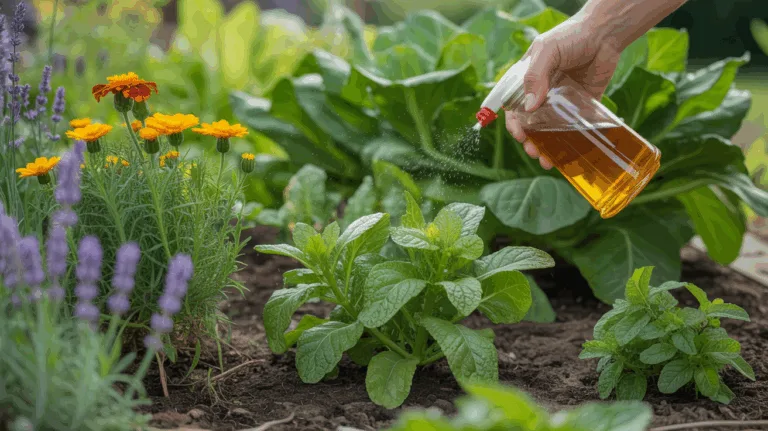
For those hesitant to use chemicals, several natural products can help control weeds. Solutions made from vinegar or salt can be effective, although they should be used with caution as they can harm soil health. Another effective natural treatment is corn gluten meal, which prevents weed seeds from germinating.
Maintaining a Healthy Lawn Post-Treatment
Once you have addressed the immediate weed issues, maintaining a healthy lawn is crucial to prevent new weeds from taking over. Regular maintenance tasks such as mowing, aerating, and proper fertilization play critical roles. Ensure you mow at a height appropriate for the type of grass you have to discourage weed growth and promote denser lawn growth.
Effective Watering Practices
Proper watering can significantly impact the health of your lawn. Deep, infrequent watering encourages grass roots to grow deeper, making them more drought-resistant. Avoid over-watering, which can promote fungal growth and weaken grass quite quickly making it less competitive against weeds.
Frequent Monitoring and Re-treatment if Necessary
Keep an eye on your lawn for signs of returning weeds. Quick action can prevent them from spreading, saving you considerable effort long term. Sometimes a follow-up treatment or adjustment in your lawn care routine may be required to keep your lawn weed-free.
The Right Timing for Weed Control
Timing is crucial when dealing with lawn weeds. Spring and fall are typically the best times to apply pre-emergent herbicides to prevent weed seeds from sprouting. For perennial weeds, post-emergent herbicides are most effective when applied during active growth periods.
Revitalizing Your Lawn: A Path Forward
Transforming a weed-overrun lawn back into a lush, green oasis may seem like a daunting task, but with a strategic approach and dedicated effort, it’s entirely achievable. The journey to a rejuvenated lawn begins with understanding the specific types of weeds involved, as this knowledge is pivotal for effective treatment. Once identified, adopting a tailored weed management strategy is crucial.
The next imperative step is revitalizing the soil, as healthy soil fosters healthy grass. This might involve amending the soil with nutrients or improving its structure through aeration techniques, which can enhance water and nutrient uptake. Seeding or overseeding becomes the next phase, carefully choosing grass that suits your local climate and soil conditions. Using high-quality seeds can significantly expedite the lawn’s recovery.
Consistent maintenance is key in preserving the health and appearance of your lawn. Regular mowing, watering, and fertilization are essential tasks that keep weeds at bay and support the robust growth of grass. Over time, your diligent care will foster a dense, vibrant lawn that naturally suppresses new weed growth, ultimately restoring the aesthetic and ecological balance of your outdoor space.