
Planting and Sowing Parsley According to Lunar Phases
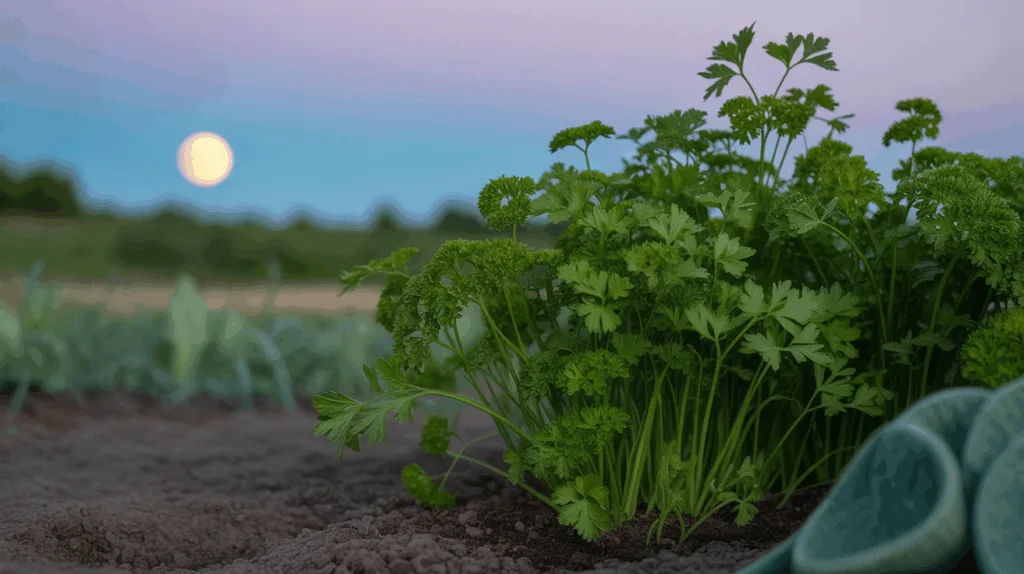
Gardening enthusiasts often seek new and effective methods to enhance their green spaces, and one such method is lunar gardening. This ancient practice, which involves timing planting activities according to the phases of the Moon, can be particularly beneficial when it comes to sowing parsley. By understanding the connection between lunar cycles and plant growth, gardeners can optimize their parsley yield, ensuring lush greenery and robust flavor. Join me in exploring the ideal times to plant this versatile herb based on lunar rhythms!
When it comes to gardening, timing is everything, and one intriguing approach to achieving optimal results is planting by the phases of the moon. This article delves into the fascinating world of lunar gardening, focusing specifically on planting and sowing parsley. By synchronizing your gardening activities with the moon’s phases, you can enhance the growth and flavor of your parsley, transforming your outdoor space into a flourishing herb garden.
The Lunar Cycle: Understanding Moon Phases
The lunar cycle consists of several phases that influence various gardening tasks. The primary phases include the New Moon, Waxing Moon, Full Moon, and Waning Moon. Each phase provides unique opportunities for planting and caring for plants. Here’s how parsley planting aligns with these lunar phases.
New Moon Phase: A Time for New Beginnings
The New Moon is a period of introspection and potential. For our parsley, this is the perfect time to plant seeds. During this phase, the moon is not visible, signifying a fresh start. Sowing parsley during the New Moon allows the seeds to absorb moisture and nutrients effectively, leading to stronger germination and vibrant growth.
Waxing Moon: Growth Above the Soil
As the moon transitions into its waxing phase, it becomes increasingly visible, symbolizing growth and development. This is an excellent time for planting above-ground crops, including parsley. During this period, the gravitational pull of the moon encourages leafy growth and robust stems. Schedule your parsley sowing during the waxing moon for enhanced foliage and an abundant harvest.
Full Moon: Time for Harvest and Care
The Full Moon marks a peak in energy. While it’s not the prime time to plant new seeds, it’s an ideal moment for harvesting mature parsley. The full moon’s brightness promotes the potency of flavors in herbs, making it a perfect time to gather your parsley for culinary uses or to prepare for sharing with friends and family. Additionally, while the full moon is shining bright, consider monitoring your parsley patch for any pest issues that may arise.
Waning Moon: Care and Maintenance
As the moon begins to wane, its energy shifts. This phase is beneficial for pruning and managing existing plants rather than sowing new seeds. During the waning moon, the gravitational forces are less direct, which is conducive to checks and balances in your garden. For parsley, this is the time to trim any overgrown shoots or remove any dead leaves, allowing nutrients to redirect towards healthier parts of the plant.
Optimal Days for Sowing Parsley
To maximize the benefits of lunar gardening, it’s essential to identify specific dates within each lunar phase for sowing parsley. For instance, consider planting your parsley seeds on days that coincide with the waxing moon to encourage robust growth. Referencing a sowing calendar can help you pinpoint the most effective days to act on lunar advice.
For February 2025, some ideal sowing dates would be between the new moon and the waxing period, such as February 1, 4, 5, and 8-10. These dates provide a great opportunity to watch your parsley flourish! Conversely, consider holding off on sowing on unfavorable dates like February 12 or the tail end of the month to avoid disruptions in growth.
The Benefits of Lunar Gardening for Parsley
Practicing lunar gardening not only brings an element of discipline to your gardening routine but can also yield impressive results. Parsley grown in harmony with the phases of the moon tends to have enhanced flavor profiles and better growth patterns. This ancient method offers a unique way to bond with nature and observe the beauty of the moon cycle. So why not give it a try?
For more insights on gardening, check out this article on Understanding the Ice Saints and their impact on gardening.
When it comes to growing parsley, aligning your planting schedule with the lunar phases can significantly enhance its growth and flavor. Traditionally, planting during the waxing moon, which occurs from the new moon to the full moon, is believed to support strong foliar development. This is particularly beneficial for parsley, as it thrives when focused on leaf growth.
The initial phase of the moon, known as the new moon, marks an opportune moment for sowing parsley seeds. This phase encourages the seeds to germinate and establish strong roots, setting a solid foundation for future growth. As the moon transitions into its waxing phase, gardeners can continue planting parsley, paying attention to the specific days that favor sowing plants with above-ground growth.
In contrast, the waning moon, following the full moon, is deemed a less favorable period for planting. This phase is more appropriate for activities such as pruning and weeding, allowing your existing parsley plants to focus on energy transfer to the remaining foliage. This way, any energy not directed toward new growth can effectively bolster the health of the existing plants.
Lastly, incorporating the principles of lunar gardening not only aligns with age-old traditions but also enhances your overall gardening experience. As you observe the cosmos and its impact on your garden, you’ll find a deeper connection to your parsley plants and their lifecycle. Remember to consult lunar calendars regularly to determine the best days for sowing parsley and reap the rewards of a beautifully thriving herb garden.