Harnessing Plant Ferments: A Natural Fertilizer and Repellent Solution

In the quest for sustainable gardening, harnessing plant ferments emerges as an innovative and eco-friendly approach to nourish our gardens. By utilizing the principles of fermentation, we can create natural fertilizers and repellent solutions that not only enhance plant growth but also protect against pests. From fermented plant juices to unique homemade brews, this method taps into the powerful benefits of nature, turning simple ingredients into vibrant, nutrient-rich elixirs that promote healthy, thriving outdoor spaces.
In the world of gardening, the use of plant ferments has emerged as a powerful and sustainable practice. This article delves into the methods and benefits of harnessing these natural ferments to create fertilizers and repellents that not only nourish your plants but also protect them from pests. By embracing this eco-friendly approach, gardeners can cultivate thriving gardens while minimizing their impact on the environment.
Understanding Plant Fermentation
Plant fermentation is a natural process that utilizes beneficial microorganisms to convert organic materials into nutrient-rich solutions. Through anaerobic fermentation, specific plant materials can be transformed into potent fertilizers that supply essential nutrients to plants quickly. This technique, often rooted in traditional farming practices, allows gardeners to harness locally available resources effectively.
The Science Behind Fermented Leaf Fertilizers
When creating fermented leaf fertilizers, gardeners typically combine green, leafy plants with a source of sugar, such as brown sugar or molasses. The sugar acts as a food source for microbes, initiating fermentation. Over time, the mixture develops into a nutrient-dense solution rich in compounds that promote plant health. This approach not only enriches the soil but also enhances the plants’ ability to absorb nutrients.
Benefits of Fermented Plant Juice
One of the standout examples of plant fermentation is Fermented Plant Juice (FPJ), a cornerstone of Korean Natural Farming. FPJ captures the essence of fast-growing plants, creating a concentrated liquid fertilizer packed with growth hormones and nutrients. When diluted and applied, FPJ serves as an effective way to boost plant vigor and promote healthy soil.
Creating Your Own Fermented Plant Solutions
Making your own fermented plant solutions at home is not only easy but also an exciting way to engage with nature. Start by selecting local plants or even common weeds. Materials like seaweed and leafy greens are excellent choices for creating nutrient-rich ferments. Simply combine the plant materials with sugar in a sealed jar, let it ferment for a period, and then dilute it for use.
Application Techniques
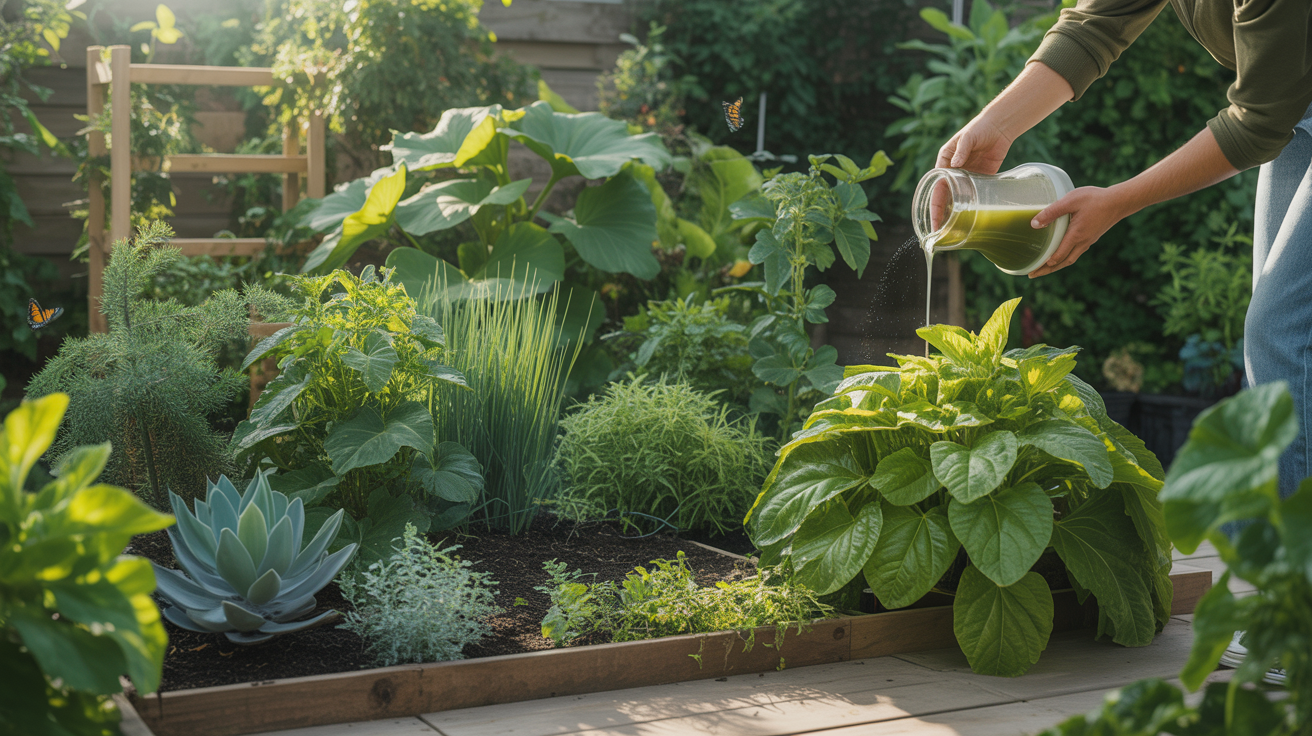
Once your homemade fermented solution is ready, there are various ways to apply it. It can be used as a soil drench to nourish the roots or as a foliar spray to provide a nutrient boost directly to the leaves. This flexibility allows gardeners to tailor their approach based on the specific needs of their plants.
Dual Purpose: Fertilizer and Pest Repellent
In addition to nourishing plants, fermented solutions can serve as natural repellents against pests. For example, a diluted fermented mix can deter pests such as aphids, making it a versatile asset in maintaining plant health. This dual purpose not only enhances garden sustainability but also reduces the need for harmful chemical pesticides.
Maximizing Your Garden’s Health
Embracing plant ferments in your gardening practices contributes to a healthier ecosystem. By improving soil health and promoting beneficial plant-microbe interactions, these organic solutions help build resilience against illnesses and pests. In a world increasingly focused on sustainability, utilizing natural fertilizers and repellents reflects a commitment to nurturing not only your garden but also the environment.
The art of gardening has transformed significantly over the years, with a renewed focus on sustainable practices that prioritize natural solutions. One such practice is the use of fermented plant ferments, which serve both as a powerful fertilizer and an effective pest repellent. This innovative approach embraces nature’s own processes, enabling gardeners to maximize their yields while minimizing chemical inputs.
At the heart of this methodology is the creation of fermented plant juice (FPJ). By harnessing the natural fermentation of organic materials, gardeners can produce a highly concentrated liquid rich in nutrients and beneficial microorganisms. This method not only enhances soil health but also provides plants with an organic boost, resulting in more vigorous growth and resilience against environmental stresses. The use of local and readily available plant materials makes this technique both practical and economical, fostering a deep connection with the local ecosystem.
Furthermore, the benefits of fermented plant ferments extend beyond fertilization. These natural solutions can work as pest repellents, effectively deterring harmful insects without the need for synthetic chemicals. By applying a diluted mixture to plants, gardeners create an inhospitable environment for pests, while simultaneously promoting a thriving microbial community in the soil. This dual function of fertilization and pest control reflects a holistic approach to gardening, where plants are nourished and protected simultaneously.
As more people become aware of the environmental impact of conventional gardening practices, the shift towards using plant ferments is not only a trend but rather a vital step towards sustainable agriculture. By embracing these natural solutions, gardeners not only improve their harvests but also contribute to the health of the planet, creating a more sustainable future for generations to come.