Quartered Garden Planning: A Guide to Square Gardening


Embark on a journey into the world of quartered garden planning, a technique that maximizes the productivity of your vegetable garden through strategic layout and plant allocation. This guide to square gardening will unveil how dividing your plot into manageable units can lead to a flourishing and bountiful garden, even within limited spaces. Get ready to transform your garden with methodical planning and creative plant integration!
Welcome to a transformative approach to garden design! Quartered garden planning, or square gardening, revolutionizes how both novice and experienced gardeners maximize space, enhance productivity, and simplify garden management. This article delves into the fundamentals of square gardening, layout strategies, crop management, and seasonal adaptations to help you cultivate a bountiful, organized garden.
Understanding the Basics of Square Gardening
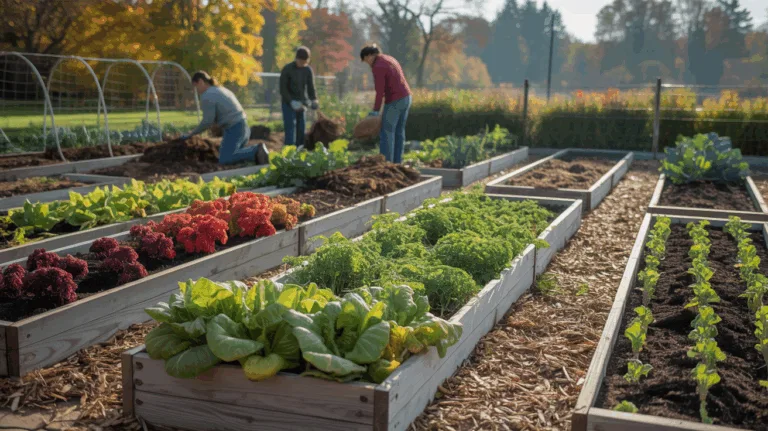
Square gardening, often recognized for its efficient use of space, involves dividing the garden area into small, manageable square segments, typically 1×1 foot each. This systematic approach allows gardeners to focus on the detailed needs of each plant type, increases accessibility, and eases maintenance. It’s an excellent strategy for maximizing yield in limited spaces and for customizing plant care, watering, and harvesting.
Designing Your Square Garden Layout
The layout of a square garden is crucial for success. Begin by deciding the overall dimensions of your garden space, ensuring it’s divided into accessible squares with paths between them for easy access. In north-facing gardens, place taller plants like tomatoes or corn at the north end to prevent them from casting shadows on shorter plants. Additionally, pay close attention to companion planting within each square to foster beneficial interactions among plants.
Optimal Plant Choices and Arrangement
Choosing the right plants for your square garden is essential. Consider plant growth habits, root system size, and sun requirements. Vegetables like radishes, carrots, and lettuce are ideal for square foot gardening due to their small footprint. Strategic plant arrangement allows for continuous harvest, known as succession planting. This involves planning your planting schedule so that as one crop finishes, another begins, ensuring a cycle of produce.
Seasonal Planning and Care
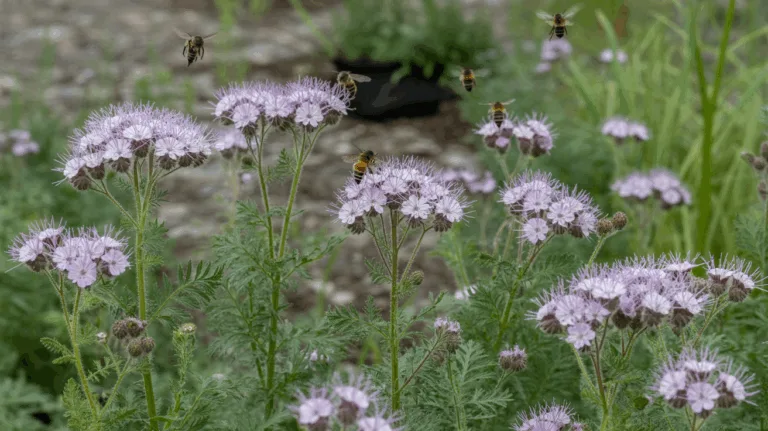
To maximize the productivity of your square garden, understanding the seasonal needs of your garden is paramount. In early spring, focus on cold-hardy vegetables such as spinach, lettuce, and peas. As the season progresses, transition to warm-season crops like tomatoes, peppers, and cucumbers. Additionally, incorporate seasonal care techniques, such as mulching in summer to retain moisture and applying cover crops in fall to enhance soil health.
Advanced Tips and Techniques
For those looking to elevate their square gardening practice, consider integrating vertical gardening to save space and expand growing potential. Techniques such as trellising or using vertical planters can increase the variety of crops you can grow. Also, keep abreast of the latest trends and methods in square gardening by visiting Exciting Developments in Square Foot Gardening and The Future of Square Foot Gardening.
Utilizing Creative Ideas for Aesthetic Appeal
Apart from functionality, aesthetic enhancement is another significant aspect of quartered garden planning. Implement creative garden ideas like thematic planting or color coordination to make your garden visually appealing. Discover inventive layouts and planting ideas at 25 Creative Vegetable Garden Ideas. Every square can be a visual and gastronomic delight, combining beauty with productivity.
Practical Resources for Every Gardener
To further aid in your gardening journey, refer to detailed guides and resources such as Square Garden Planning: A Step-By-Step Guide. These resources provide in-depth information, from initial layout to advanced plant care, ensuring your square garden thrives through every season.
A Fresh Perspective on Quartered Garden Planning
Embarking on the journey of quartered garden planning fundamentally transforms the traditional approach to gardening. By segmenting the garden into manageable square foot sections, gardeners can achieve higher efficiency and a more systematic organization of their vegetable plots. This strategic division not only optimizes growth conditions but also enables the plants to flourish with more space, nutrients, and sunlight tailored to each section’s specific needs.
The essence of quartered gardening lies in its ability to simplify cultivation tasks. This method reduces the daunting workload often associated with large, widespread garden plots. It breaks down garden responsibilities into smaller, more manageable tasks that can be addressed individually, enhancing both the care quality and the overall yield. As each square foot has a defined purpose, the planning phase becomes crucial. Gardeners must consider companion planting, crop rotation, and seasonal adjustments, ensuring that each square remains productive throughout the growing season.
Furthermore, by focusing on maximizing the efficiency of each square foot, gardeners can effectively mitigate common gardening challenges such as pest infestations and plant diseases. The clear physical boundaries between different crop types allow for more controlled interventions and easier monitoring of plant health. Additionally, this compartmentalization helps to tailor specific soil conditions to suit different types of crops, promoting a healthier and more sustainable garden ecosystem.
In conclusion, quartered garden planning is not mere organization—it’s a strategy for success. It invites gardeners to rethink and reinvent their relationship with their patch of Earth, turning gardening into a more enjoyable and fruitful endeavor. As we continue to embrace innovative approaches like square foot gardening, the future looks green and bountiful, promising lighter work and richer harvests for all who have their hands in the soil.