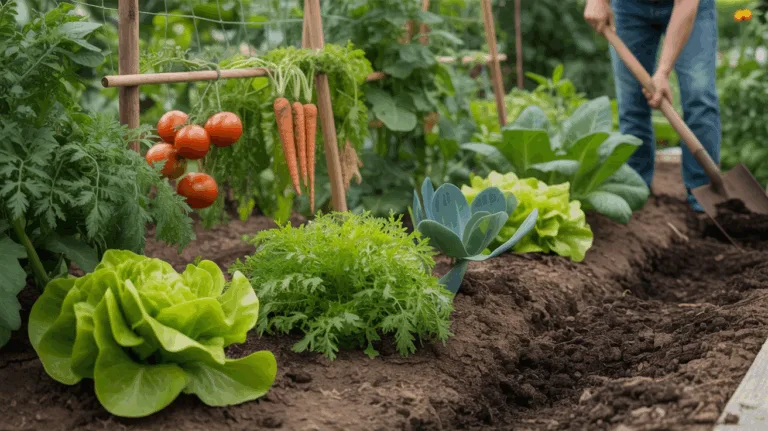
The Early Warmth of the Vegetable Garden


As the gentle rays of spring sunshine start to warm the earth, the vegetable garden begins to stir from its winter slumber. This period, brimming with anticipation and potential, is a critical time for gardeners. Tasked with preparations from seeding to soil conditioning, the promise of lush greens and vibrant blooms spurs on the enthusiastic labor. Now is when the magic happens, setting the stage for a bountiful harvest.
As spring tiptoes in, the warmth it brings to our gardens is not just felt in the air but seen in the thriving patches of early vegetables. This article explores the crucial early warm phases of a vegetable garden, guiding you through different aspects such as preparing the soil, selecting the right vegetables, and the necessary maintenance to ensure a bountiful harvest.
Preparing Soil for Early Warmth
The foundation of a healthy garden lies in its soil. As the sun begins to cast its longer, warmer days, the first step is warming up your garden’s soil. Strategies such as using black plastic covers to attract solar heat or incorporating organic compost to enhance soil fertility can elevate soil temperatures efficiently. This warmth awakens dormant seeds and stimulates robust root development.
Selecting the Right Vegetables for Early Planting
Not all vegetables appreciate the kiss of early warmth. Selecting the correct species that thrive in these conditions can make or break your garden’s success. Cool-season vegetables like spinach, lettuce, and peas can be planted as they tolerate minor frosts and the cool soil of early spring. Meanwhile, warm-season crops such as tomatoes, peppers, and beans should be introduced into the garden once the threat of frost has passed and the soil temperature has consistently warmed.
Effective Watering Techniques
As your garden enjoys the early spring warmth, maintaining moisture is crucial. The emerging sun can dry out the soil quickly. Techniques such as drip irrigation or a self-watering system can provide consistent moisture while conserving water. Timing your watering sessions during the cooler parts of the day can also prevent evaporation and ensure that your plants stay hydrated.
Maintenance and Care
Early warmth brings about rapid growth but also potential threats like pests and diseases. Regularly monitoring your garden for signs of distress and implementing organic control methods can keep your vegetables healthy. Additionally, thinning the seedlings can prevent overcrowding, ensuring that each plant receives adequate nutrients and airflow.
When it comes to nourishing your garden, layers of mulch might be beneficial. It helps retain soil moisture and suppresses weed growth, which can be vigorous during the early warmth. This could provide your plants with better growth conditions and lessen the maintenance required.
Advantages of an Early Start
Beginning your garden in the early warmth of spring can extend your growing season and result in more abundant harvests. It also allows you to enjoy the verdant beauty of your garden for a longer period.
Transformative Garden Designs
Experimenting with self-watering vertical gardens can revolutionize the usage of space and water in your early spring garden. For those looking to introduce ease into their gardening, exploring low-maintenance garden options can be quite beneficial. Meanwhile, novice gardeners might consider starting with beginner-friendly vegetables to ensure early successes.
Creative Culinary Uses of Early-Harvest Vegetables
Don’t overlook the joy of using your own garden’s output in your kitchen. For instance, fresh mint, an easy-to-grow herb, can be transformed into delightful recipes. Find inspiration in creative ways to use fresh mint from your garden for refreshing mojitos and more.
Embracing the Early Warmth
The early warmth of the season offers a unique opportunity to kickstart your garden. By preparing well, choosing the right plants, and caring diligently for your burgeoning beds, you can turn this early warmth into a season full of growth and bounty.
Embracing the Early Warmth in the Vegetable Garden
As the sun asserts its presence with unwavering confidence, the vegetable garden becomes a beacon of growth and vitality. The lingering chill of winter dissipates, replaced by the gentle warmth of spring, heralding a season of lush vegetation. This period is not just a time of rising temperatures but a call to arms for gardeners. The soil, now warm, becomes a nurturing haven for seeds waking from their winter slumber.
The transformation is palpable as early planting starts to take shape. Gardeners, seasoned and novices alike, begin their dance with nature, sowing seeds that will soon sprout into nourishing life. The choices are deliberate—cool-season vegetables like peas and radishes push through the soil, harnessing the cool, moist conditions, while preparations for warm-season crops such as tomatoes and peppers are underway. The garden becomes a living tapestry, woven with the threads of planned diversity and ecological wisdom.
The significance of the early warmth is profound, influencing not just the growth cycles but also the gardening techniques deployed. Mulching, watering, and weeding align with the rhythm of nature, crafting a cradle of growth that supports sprouting seeds and burgeoning plants. The integration of these tasks in response to the early warmth ensures a garden that is not only productive but also resilient. The beauty of the vegetable garden in this buoyant season is the promise it holds—a promise of abundance, variety, and the sweet satisfaction of harvests to come.
As the garden thrives, it invites a moment of reflection for every gardener, a pause amidst the flurry of activity. It is a reminder of the cycle of life and our place within it—a dance of anticipation and fulfillment orchestrated by the warmth of the early season. This is the heart of gardening: an intimate interaction with the cycles of nature, where each moment of warmth is a gift, and every seed sown is a testament to the nurturing power of the earth.