Thriving in Square Gardens: Cultivating Your Vegetable Paradise

Welcome to the verdant world of square foot gardening—a method that maximizes the bountiful possibilities of minimal space. Whether you’re an urban dweller with just a modest patio or a suburbanite looking to optimize your backyard canvas, this approach to vegetable gardening will not only enhance your green thumb but transform any small plot into a lush, edible oasis. As you dive into these curated tips and tricks, prepare to turn your garden dreams into abundant realities!
Welcome to the enchanting world of square foot gardening—a method that simplifies gardening by dividing the growing area into small square sections. This powerful approach makes it achievable to maintain a vibrant vegetable garden in minimal space, turning novice green thumbs into seasoned horticulturists. Whether in a tiny backyard or on a spacious plot, this article unveils the secrets to creating your own slice of edible paradise, highlighting everything from the basics of setting up your garden to advanced tips for maximizing production.
Setting the Foundations: Building Your Square Foot Garden
At the core of a successful square foot garden is its structure. Typically built in raised beds, these gardens segment the area into distinct squares, each allotted a specific plant or group of plants. This method not only optimizes space but also offers enhanced soil control, which is vital for plant health. For details on constructing these beds and initial steps to take, explore insightful guides on our comprehensive gardening guide.
Mastering the Layout: Planting Strategies for High Yield
Choosing what to plant and where in your square garden is both an art and a science. The goal is to balance the garden’s aesthetics with its functionality. Strategic companion planting enhances plant growth and deters pests. Learn how to determine the best companions and layout designs for a flourishing garden at Gardening Tips & Tricks for a Thriving Vegetable Garden.
Optimal Irrigation and Sunlight Exposure
Even the best-planned gardens can struggle without proper water and sunlight. Each square section of the garden may have different exposure and hydration needs based on the plants it houses. Get expert insights into managing these elemental resources efficiently at our detailed article on garden management.
Seasonal Adjustments and Ongoing Care
As seasons change, so do the needs of your garden. Understanding when to rotate crops, how to refresh the soil, and ways to prepare for seasonal transitions are key elements that ensure garden longevity and productivity. These crucial practices are covered comprehensively in our seasonal gardening tips.
Handling Pests and Diseases Naturally
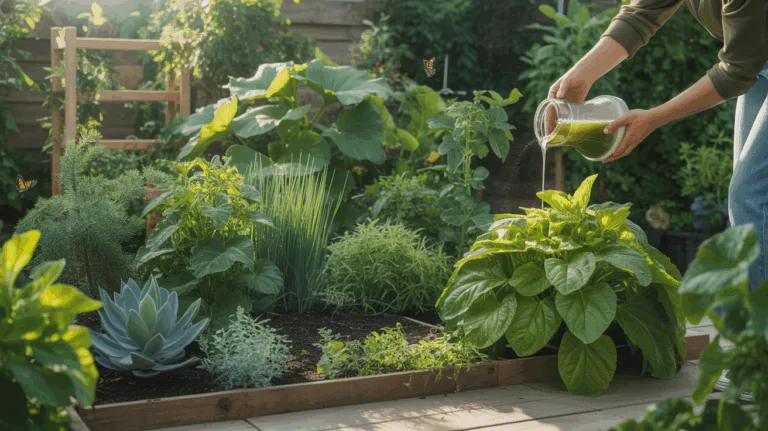
Maintaining the health of your garden without resorting to harsh chemicals is possible through natural pest control techniques. Whether it’s introducing beneficial insects, using barriers, or applying organic homemade sprays, learn the tricks to keep your garden thriving organically at our resource on natural pest solutions.
Promoting Pollination: Encouraging Garden Helpers
Pollinators play a crucial role in the health and productivity of your vegetable garden. Encouraging bees, butterflies, and other beneficial insects can drastically improve your garden’s yield. Techniques to attract and protect pollinators throughout the year can transform your square foot garden into a bustling hub of activity and production.
Through careful planning, a personalized approach to layout and species selection, and a commitment to organic practices, your square foot garden will not only thrive but also become a source of joy and pride in your gardening journey. Cultivate your green thumb and turn even the smallest space into a lush vegetable oasis. With each plant, you’re one step closer to mastering the art of square foot gardening, a gateway to sustainable living and a greener future.
Nurturing Your Green Haven: Tips for a Flourishing Square Garden
Square garden layouts are revolutionary, transforming how you nurture your edible plants efficiently in a compact space. This versatile system not only enhances the productivity per square foot but also simplifies garden management substantially. As you embark on mastering square garden techniques, remember that every plant requires personalized attention and optimal growing conditions to truly thrive.
To ensure a thriving vegetable garden, start with high-quality soil that is rich in organic matter. The fertility of your soil plays a pivotal role in plant health and yield. Incorporating compost regularly replenishes essential nutrients and maintains soil vitality, encouraging robust plant growth. Moreover, adequate water management cannot be overstressed; consistent moisture is crucial, yet over-watering can lead to root diseases and hinder plant development. Thus, balancing moisture levels according to your vegetables’ specific needs will lead to better plant health and productivity.
Another critical aspect is strategic plant spacing within the square foot modules. Dense planting can lead to overcrowding, which stymies growth and increases susceptibility to pests and disease. Therefore, respect each plant’s spatial requirements to ensure ample air circulation and access to sunlight, which are instrumental in promoting healthy growth. Additionally, practicing companion planting can be a natural way to enhance your garden’s ecosystem. It encourages biodiversity and can naturally repel pests while attracting beneficial insects, enhancing overall garden health.
Lastly, regular monitoring and maintenance of your vegetable garden are vital. Periodic checks will help you catch and address potential issues early, such as nutrient deficiencies, pest invasions, or unsuitable pH levels. Such proactive measures will ensure that your garden remains a verdant and productive oasis, rewarding you not only with bountiful harvests but also with the serene joy of gardening. Adopt these practices, and watch your square foot garden transform into a lush, flourishing paradise of vegetables and herbs.