Effective Strategies for Deterring Voles from Your Vegetable Garden

Are you tired of pesky voles invading your vegetable garden and wreaking havoc on your hard-earned crops? These small rodents can wreak significant damage by munching away at your precious plants’ roots and bulbs. However, worry not! There are numerous effective strategies to keep voles at bay, ensuring your garden flourishes. From creating physical barriers to employing natural deterrents, you can turn your garden into a safe haven for your vegetables. Let’s explore practical and eco-friendly solutions to safeguard your green space!
Dealing with voles in your vegetable garden can be a gardener’s worst nightmare. These small rodents have a reputation for causing chaos, gnawing at roots, and snacking on precious plants. However, with the right strategies in place, you can protect your beloved garden. This article delves into various effective strategies to deter voles and maintain a thriving, healthy garden.
Understanding Vole Behavior
Before implementing strategies to keep voles away, it’s essential to understand their behavior. Voles are herbivores that thrive in environments where they can find plenty of cover and food. They often prefer dense vegetation and require protection from predators. By learning what attracts voles, you can better implement measures to keep them at bay.
Creating a Clean Garden Environment
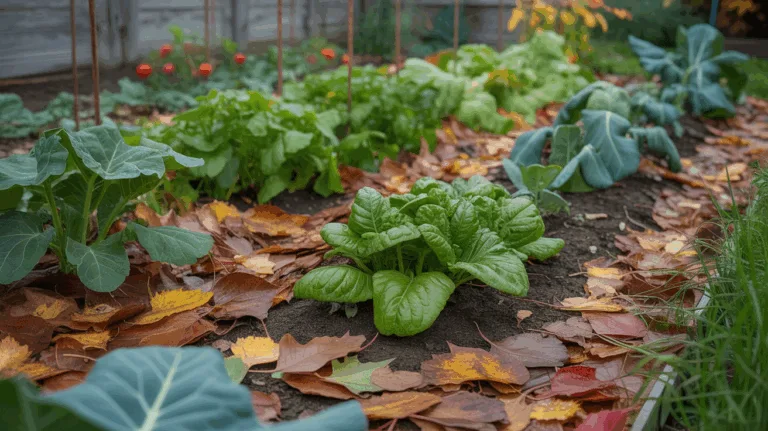
One of the simplest yet most effective ways to deter voles is to maintain a clean garden environment. Regularly mow your lawn to a height of around 3 to 4 inches. This not only reduces hiding places for voles, it also exposes them to natural predators. Remove weeds, brush piles, and dense ground cover where voles might nest. The goal is to create an open space that makes it difficult for them to thrive.
Implementing Physical Barriers
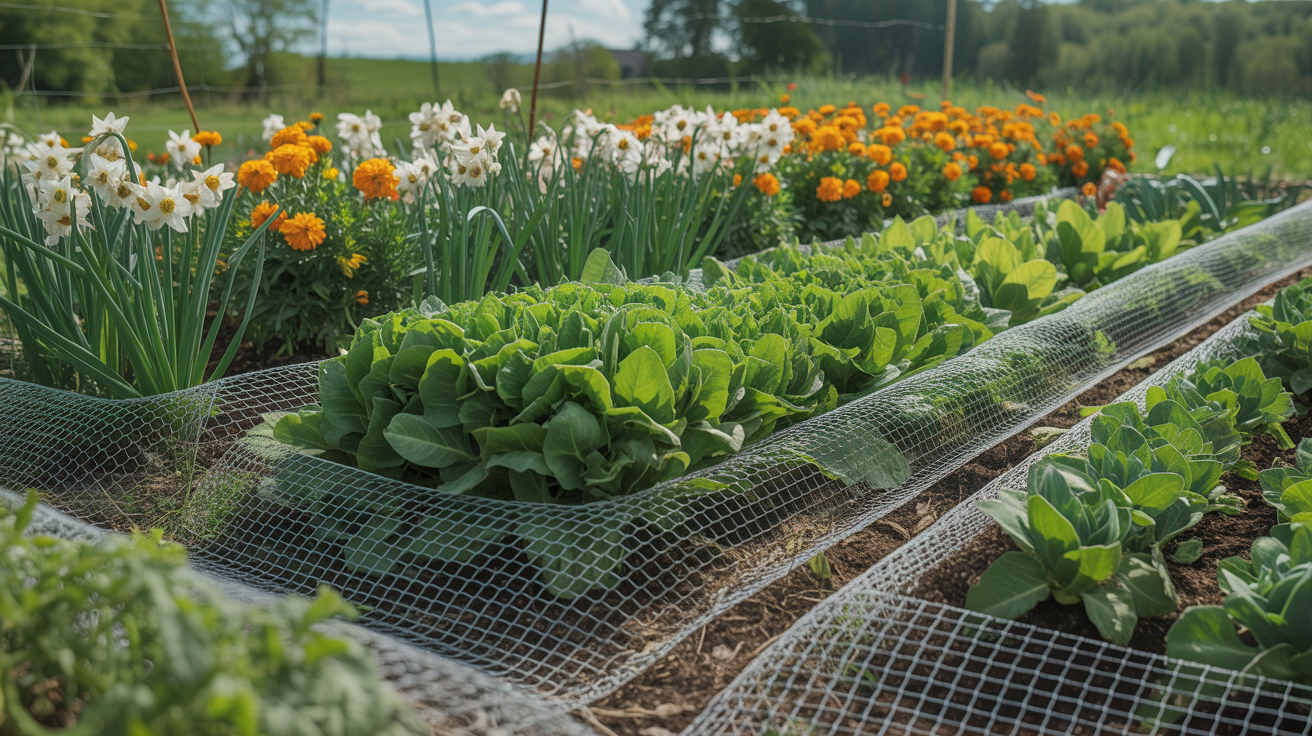
Physical barriers can serve as excellent defenses against voracious voles. Consider installing wire mesh fencing or hardware cloth around the perimeter of your vegetable garden. Bury the fencing at least 6-8 inches underground to prevent voles from burrowing under. For precious individual plants, using protective vessels like strawberry baskets or even yogurt cups can shield delicate seedlings from vole activity.
Utilizing Natural Deterrents
Harnessing natural deterrents can effectively signal voles to steer clear of your garden. Plants such as marigold, daffodils, and garlic are known to deter these pests due to their strong scents and unpalatable taste. Incorporating these plants into your landscape not only beautifies your garden but also creates an inhospitable environment for voles.
Companion Planting Techniques
Another marvelous strategy is employing the companion planting technique. By strategically placing plants with strong odors alongside your vulnerable crops, you can create a multi-dimensional barrier against voles. Herbs like mint and lavender can deter these creatures while enhancing the flavor of neighboring vegetables. This approach requires planning, but the benefits are well worth the effort!
Effective Trapping Techniques
Sometimes prevention isn’t enough, and a targeted removal strategy is necessary. Trapping can be an effective way to keep vole populations in check. Use snap traps placed near active tunnels or paths. Ensure traps are concealed to mimic the voles’ natural environment, increasing the likelihood of engagement. Be mindful of placing traps where children or pets cannot access them.
Choosing the Right Traps
Selecting the appropriate traps is critical. The most effective types for voles are small snap traps specifically designed for rodents. Check traps regularly and dispose of any captures humanely. While traps may require some setup and adjustment, they offer a direct approach to managing your vole problem.
Responsible Chemical Control Options
If necessary, consider the use of responsible chemical controls. Always opt for eco-friendly solutions and ensure they are safe for your plants, pets, and the environment. Various repellents are available that can help keep voles at bay without harming beneficial insects and wildlife. Always follow the recommended guidelines for use to maintain a harmony in your garden’s ecosystem.
Planting Vole-Resistant Varieties
Incorporating vole-resistant varieties of vegetables and flowers can significantly reduce the appeal of your garden to these pesky rodents. Choose plants that have strong, spicy tastes or those that voles are known to avoid. While it may take some research, this strategy can provide a long-term solution for a healthy garden.
By employing these effective strategies for deterring voles from your vegetable garden, you can guard against their destructive behavior. Creating a protective environment and utilizing natural and physical barriers while managing population levels through trapping will ensure a flourishing garden full of vitality and growth.
When it comes to protecting your cherished vegetable garden from voles, implementing effective deterrent strategies is key. Understanding the habits and habitats of these small rodents can provide valuable insights into how to keep them at bay. Cultural control is one of the most potent methods. Regularly mowing your lawn and keeping the area around your garden clear of dense vegetation reduces the cover voles seek and exposes them to potential predators. This proactive approach not only confines their habitat but also makes your garden less appealing.
Another essential strategy involves creating physical barriers around your garden. Using mesh fences or planting lifted beds can serve as strong deterrents. Consider encasing vulnerable plants in strawberry baskets or even yogurt cups to protect their roots from vole munching. These measures can greatly minimize access and make it arduous for voles to reach your vegetables.
Companion planting can also be incredibly effective. By incorporating plants that voles dislike, such as daffodils or garlic, into your garden layout, you can create a natural barrier against these pests. This not only enhances the protection of your crops but also contributes positively to the overall biodiversity of your garden.
Lastly, consider employing safe traps where necessary. Using catch-and-release traps can help control the vole population without the need for harsh chemicals. Remember that the goal is to create a thriving garden while maintaining ethical standards in pest management. By combining these practical strategies, you ensure that your vegetable garden remains a thriving paradise, free from the havoc caused by voles.