How to Effectively Use Automatic Irrigation for Your Vegetable Garden?

Are you ready to transform your vegetable garden into a flourishing oasis with minimal effort? Understanding automatic irrigation is the key to achieving this goal! By utilizing smart technologies and efficient watering methods, you can ensure that your plants receive the optimal amount of water without constant maintenance. Join us as we delve into essential tips and strategies for implementing an automatic irrigation system that guarantees a vibrant and productive garden, whether you’re at home or away!
Creating a thriving vegetable garden can be an immensely rewarding experience, but it also requires careful attention to water management. With automatic irrigation systems, you can streamline the process, ensuring your plants receive consistent and adequate hydration while minimizing your labor. In this article, we’ll explore how to effectively use automatic irrigation for your vegetable garden, enhancing both productivity and ease of maintenance.
Understanding Automatic Irrigation Systems
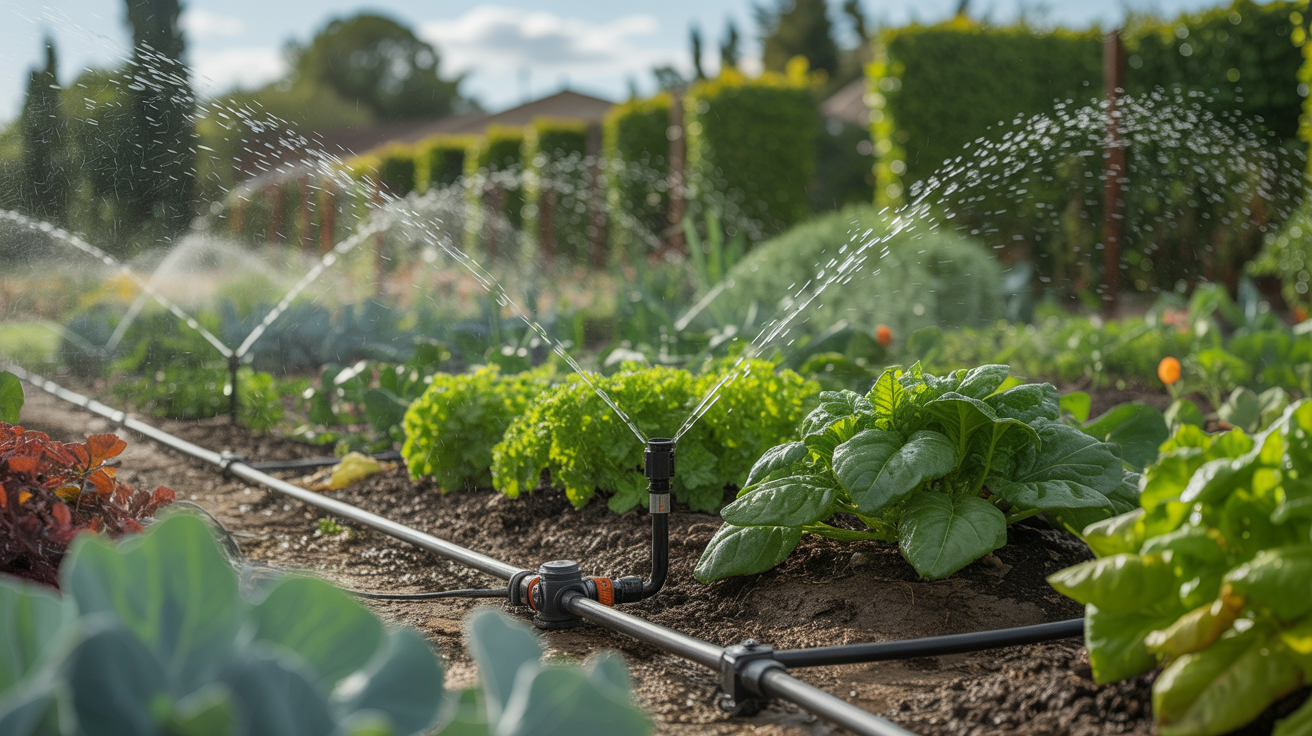
Automatic irrigation is a smart solution that optimizes water usage, making your gardening endeavors more efficient. These systems include various methods such as drip irrigation and sprinklers, which deliver water directly to your plants’ root zones. By using smart controllers, you can integrate data from moisture sensors and weather forecasts, allowing you to tailor your watering schedule precisely to the needs of your garden.
Choosing the Right System for Your Garden
When it comes to selecting the best automatic irrigation system for your vegetable garden, consider the size and layout of your space. For smaller areas or raised beds, a drip irrigation system is often ideal. It utilizes low-flow emitters that provide water directly to the plants, reducing evaporation and runoff. In contrast, larger gardens may benefit from sprinkler systems that can cover a wider area quickly. Think about your garden’s specific requirements to make an informed choice.
Setting Up Your Automatic Irrigation System
To get started with your automatic irrigation system, careful planning is essential. Begin by designing a layout that accommodates your garden’s unique shape and plant spacing. For drip irrigation, place the emitters just inches away from each plant for optimal results. If you’re opting for a sprinkler system, consider coverage areas and the layout of your garden beds.
Once your design is in place, it’s time to install the components. Connect the main water supply to the system, laying out tubing or hoses as needed. If you have a timer, attach it to the water source to automate the schedule. Pressure regulators are essential too, ensuring that water flows at an appropriate rate and pressure to prevent damage to plants.
Integrating Smart Technology
Modern technology can elevate your automatic irrigation system even further. Many gardeners are now integrating smart controllers that connect to Wi-Fi, allowing for remote monitoring and adjustments through mobile apps. This feature not only adds convenience but also enables you to receive alerts related to weather changes or water usage, ensuring that your garden stays optimally hydrated.
Maintaining Your System
After setting up your automatic irrigation system, regular maintenance is key to its effectiveness. Check for any leaks or clogs in hoses and emitters to prevent waste and ensure a steady water flow. Periodically testing your system to see if the plants receive adequate moisture will help you fine-tune your watering schedule. This proactive approach keeps your vegetable garden healthy and thriving.
Maximizing Efficiency
To further enhance the efficiency of your watering system, consider incorporating soil moisture sensors into your garden’s setup. These sensors monitor the moisture levels in the soil, allowing your smart controller to adjust the watering schedule based on real-time data. This not only conserves water but ensures that your plants receive the right amount for their growth stages.
With an efficient automatic irrigation system, you can nurture a lush vegetable garden while minimizing your time and effort. Make sure to select the appropriate system, integrate smart technology, and maintain it properly for optimal results. Happy gardening!
For more ideas on designing your garden space, check out our article on Space-Saving Fire Pit Ideas and enhance your outdoor experience. Additionally, elevate your home’s curb appeal with our Front Yard Landscape Ideas.
How to Effectively Use Automatic Irrigation for Your Vegetable Garden
Utilizing automatic irrigation in your vegetable garden can transform the way you care for your plants, significantly enhancing their growth while minimizing the time and effort you spend on watering. When done correctly, it allows for a more sustainable approach to gardening, utilizing resources efficiently and ensuring that water reaches exactly where it’s needed.
First and foremost, it’s essential to assess your garden layout and the specific water needs of your vegetable varieties. Different plants have different moisture requirements, and understanding this is key to setting up a successful irrigation system. Employing a drip irrigation system can be a great choice, as it delivers water directly to the root zone, reducing waste and encouraging healthy growth.
Next, integrating smart controllers into your irrigation system can revolutionize your approach. These devices can monitor soil moisture and adjust watering schedules based on current weather conditions. This not only conserves water but also ensures that your vegetables receive consistent hydration, promoting robust development and improving yield.
Regular maintenance is also crucial for the effectiveness of your automatic irrigation system. Periodically check all components for leaks or clogs, which can compromise the entire system. Cleaning the drip emitters ensures that they function properly, delivering the right amount of water to your vegetables.
Lastly, while automating your irrigation, don’t forget the importance of monitoring your garden’s health. Adjust your settings as needed based on the growing season and your plants’ immediate needs. By effectively using automatic irrigation, you’ll not only achieve thriving vegetables but also make your gardening journey more enjoyable and productive.