Preparing Your Vegetable Garden for Winter: A Seasonal Overview


As the leaves start to turn and the evenings grow crisp, it’s time to think about tucking your vegetable garden into its winter bed. This seasonal transition is not only about ending the current growing season with a flourish of autumn harvests but also about setting the stage for next year’s bounty. Carefully preparing your garden for the cold months involves a variety of tasks from harvesting late crops to protecting the soil from winter’s harsh conditions.
As the vibrant hues of summer’s bounty fade, transitioning your vegetable garden for the winter months becomes crucial. This guide delves into essential steps to prepare and protect your vegetable garden, ensuring a lively revival come spring. From harvesting remaining produce to preparing the soil for the cold months, each step is designed to fortify your garden’s resilience against the frosty season ahead.
Harvesting and Storing Remaining Vegetables
As autumn’s chill sets in, it’s time to gather the last of your garden’s offerings. Crops like kale, carrots, and beets can withstand light frosts, but should be collected before the ground freezes. This not only prevents waste but also discourages pests from settling in for the winter. Storing these vegetables correctly—in cool, dark places—can provide nutritious additions to your winter meals.
Clearing and Cleaning the Garden Beds
Cleaning up your garden beds is more than just a tidy practice—it prevents pests and diseases from overwintering in the debris. Remove old plant matter, fallen leaves, and any diseased or pest-infested plants. This reduces the risk of infections carrying over into the new year. Additionally, a clean garden bed deters unwanted critters looking for a winter hideout.
Soil Preparation and Enhancement
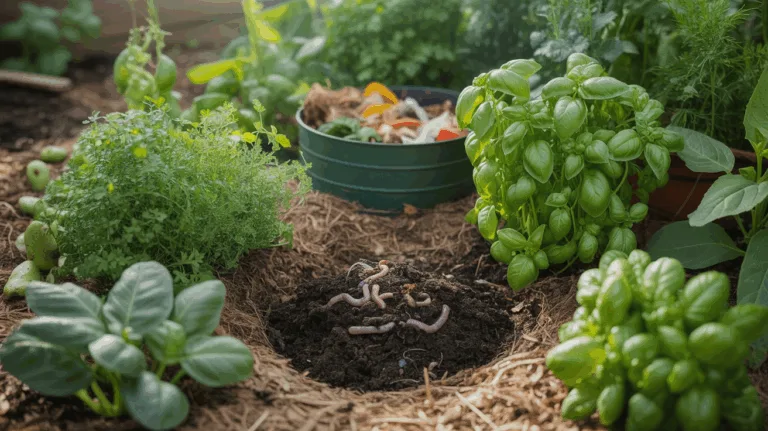
Winter is a rest period for your garden, and it’s an ideal time to enhance the soil. Adding organic materials like compost or well-rotted manure can significantly improve soil structure and fertility. Consider planting cover crops, such as rye or clover, which can stabilize the soil and fix nitrogen, enriching it for spring planting.
Plant Protection and Mulching
Protecting your plants from harsh winter conditions is crucial, especially for perennials and less hardy species. Mulching is an effective way to insulate the soil, regulating temperature fluctuations and preserving moisture. Materials like straw, leaves, or wood chips serve as excellent mulch, offering a shield against the cold and providing a nutrient-rich environment as they decompose.
Utilizing Cold Frames and Garden Covers
For gardeners eager to extend their growing season, cold frames and garden covers are beneficial. These structures help protect sensitive plants and seedlings from frost, allowing for an earlier start in the spring. They are particularly useful for nurturing cool-season crops like spinach and lettuce, granting them a cozy haven from the winter chill.
Special Considerations for Bulbs and Tubers
Bulbs and tubers, such as garlic, onions, and tulips, have specific overwintering needs. Planting them in the fall before the ground freezes enables a robust start in the spring. Ensuring these bulbs are planted at the correct depth can prevent freezing and provide them with a stable environment over the winter months.
Preparing Tools and Equipment for Winter
Last but not least, don’t forget to care for your gardening tools and equipment. Cleaning, sharpening, and oiling tools extend their life and efficiency for the upcoming spring. Storing them in a dry, secure place prevents rust and wear caused by cold and moisture.
Additional Resources for Winter Garden Preparations
For more tips on winter garden preparations, consider exploring online guides and courses that offer in-depth advice on specific plants and regional considerations. Websites like Enhance Your Home Garden: Expert Tips for Thriving Fruit Trees, Fall Gardening Tasks: Essential Preparations for a Colorado Winter, and Essential Tips for Bringing Your Beloved Garden Plants Indoors for Winter Survival provide valuable insights tailored to ensuring your garden’s successful transition into the colder months.
As the vibrant hues of autumn fade and the chill of winter begins to grip the air, gardeners might find themselves reflecting on the past growing season while looking forward to the next. Preparing your vegetable garden for winter is not just an end-of-season chore, but a proactive strategy to enhance soil fertility, manage plant health, and set the stage for a bountiful spring. It’s a cycle that respects the rhythms of nature, turning the so-called dormant months into a period of rejuvenation for both soil and soul.
The initial step toward winter readiness involves removing all spent plants and debris from your garden beds. This includes uprooting diseased or pest-ridden plant remains which, if left unattended, could harbor unwanted guests over the winter. The cleared beds present a blank canvas that can be enriched with organic matter—compost, aged manure, or mulched leaves—to nourish the soil. Incorporating these materials not only improves soil structure but also boosts its microbial life, critical for plant growth.
Furthermore, planting cover crops like rye, clover, or vetch can be a game-changer for gardeners seeking to protect and enrich their soil organically. These crops reduce erosion, fix nutrients, and improve soil texture. As the cover crops die back, they return organic material and nutrients to the earth, providing a self-mulching effect. Come spring, these can be turned into the soil to act as green manure, offering your plants a nutrient-rich start.
For those perennial favorites in your garden, such as asparagus and strawberries, applying a protective layer of straw or pine needles can help buffer the harsh winter temperatures. Such a layer not only insulates the root systems from freeze-thaw cycles but also maintains a more consistent soil temperature, reducing the risk of heaving.
Finally, don’t underestimate the value of a well-maintained toolshed. Clean, sharpen, and oil your gardening tools before storing them. This not only prolongs their life but also prepares you for spring’s arrival, ensuring you are ready to dive back into garden life as soon as the frost recedes. Through these thoughtful preparations, your garden will rest and regenerate, poised for resurgence when the warmth of spring whispers to seeds and sleeping buds alike.